Employees are the next biggest influencers
Why your next great brand voice could already work for you
Audiences are craving authenticity more than ever. As AI-generated content fills our feeds, it’s becoming harder to tell what’s genuine - and importantly, who’s behind it. Hearing from the people who work within a business, sharing their knowledge and speaking in their own words, can help build that trust.
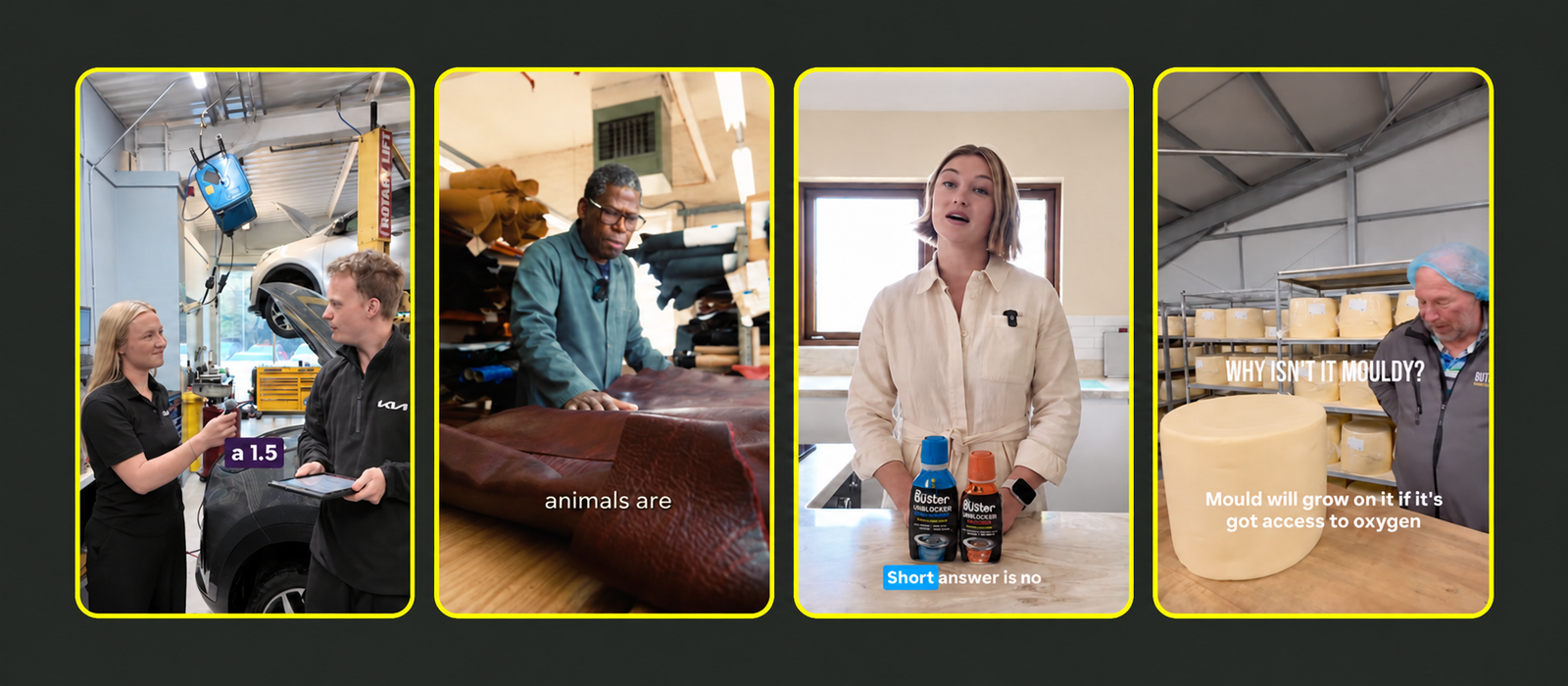
That might be a product developer explaining a new launch, a shop assistant sharing their favourites or someone on the factory floor showing how something is made. Their experience gives them something worth saying. Their personality gives people a reason to listen.
An external influencer might work with a brand for a single campaign. Employees are involved every day, with a depth of knowledge that can take an external creator time to build. They can draw on that experience to answer questions and share details that wouldn’t necessarily make it into a campaign brief.
Employee-generated content, or EGC, brings those voices into a brand’s social presence. It can make a business feel more familiar, help customers understand its products and introduce the people they might otherwise never meet.
So how do you make it work for your brand?
Decide what you want to achieve
Start with the purpose. Are you helping people choose products, building recognition for the brand or encouraging customers to visit a local shop?
That will help you decide where the content belongs.
Your main brand account brings everything together, concentrating your efforts on building one audience and a recognisable voice.
Separate store or team accounts give people a closer connection to their local branch. Customers can recognise the staff, see what’s in store and hear about demonstrations, events or new arrivals that give them a reason to visit.
Hobbycraft is a useful example, with individual store teams creating content on their own channels. That local familiarity can support footfall and help build loyalty to a particular store. A customer who recognises the person behind the counter has a different starting point from someone walking in for the first time.
Local accounts do need local commitment, though. Each one needs people with the time, ideas and support to keep it going.
Choose who you want to feature
One familiar face can give your content a clear identity. Viewers get to know their mannerisms, trust their recommendations and look out for the next instalment.
Kathryn Turner, Director of Product Development at M&S Food, is a successful example of this approach. Her knowledge and enthusiasm give viewers an insight into the products and the thinking behind them. There’s a reason for her to be talking about them, and that comes across.
Building around one person does bring a dependency, but if they leave, change roles or no longer want to take part, you’ll need to rethink.
Featuring a wider mix of employees gives you more areas of expertise, different personalities and more ways to connect with your audience. It also makes the content feel like a view into the business as a whole.
You can also combine the two: familiar faces leading recurring series, with other colleagues joining when they have something to contribute.
Find recognisable places to film
Recurring locations can help viewers recognise your content before they check the account name. A shopfront, workbench or familiar corner of a store can become part of its identity.
Choose settings that make sense for the subject and are easy to use regularly. Filming should fit into the working day without requiring everyone to rearrange the shop each time.
The surroundings can do some of the storytelling too. A demonstration on the factory floor shows people something about the business that a plain backdrop won’t.
Let the brand fit naturally
If product placement feels staged, users will scroll straight past.
Show how it works, explain a detail customers often miss or ask someone which version they would recommend and why.
The same goes for the setting. Employees working in a real shop or workshop give the brand a presence without needing to mention its name in every sentence.
Give people direction, but leave room for their own words. If their knowledge and personality are what make the content interesting, an overly polished script can get in the way.
Give people the support to take part
Participation should be voluntary unless content creation is part of someone’s agreed role. Some people will enjoy being on camera; others will have good ideas but prefer to stay behind it.
Be clear about what’s involved, where the content will appear and how much time people will need. If someone becomes a regular contributor, agree how that responsibility fits alongside their job.
Concerns about someone saying the wrong thing are understandable. A few clear guidelines, useful prompts and someone available to check questions can give employees confidence without making every video an approval exercise.
Start with willing people and subjects they know well. Then look at the response: what holds attention, prompts questions or gives customers a reason to visit, browse or buy?
Your team already helps people understand and trust your business every day. Social content gives that work a wider audience.
If you’d like help making it happen, our social team would love to chat.

Amy Mullen-Brown
Social Media Account Manager
Published November 5, 2026